Noah Schmitz · 2 September 2026
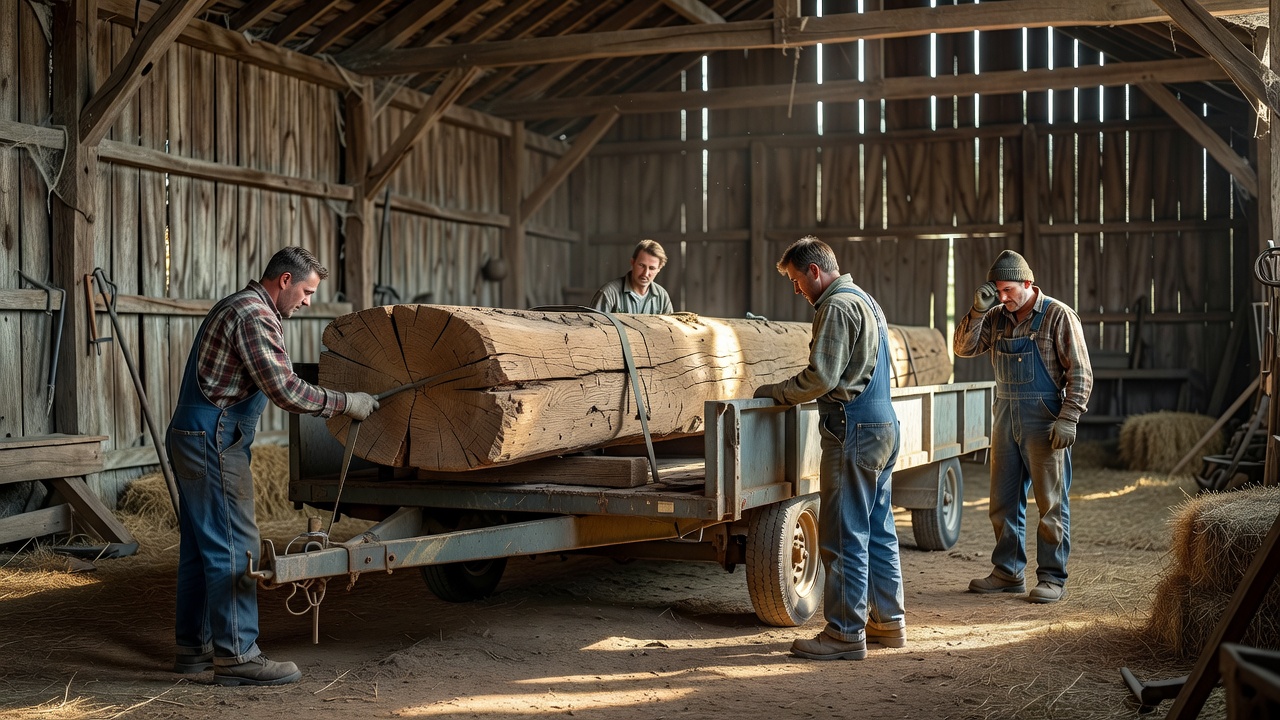
A historic barn in rural Pennsylvania has provided an exceptional cache of rare oak for an upcoming museum installation. The 19th-century structure in Lancaster County was identified by reclamation experts as containing unusually dense and well-preserved timber suitable for high-profile projects. Specialists documented every beam before disassembly to honor its agricultural roots.
Discovery and Dismantling Process
Built around 1840, the barn featured hand-hewn oak beams sourced from old-growth forests. Its location near fertile farmlands made it integral to local history. Teams carefully numbered each piece during disassembly to maintain structural integrity for reuse. The wood's resistance to decay stems from traditional construction methods that allowed natural seasoning over decades. This find represents one of the largest single sources of antique oak in recent years for the region. Specialists employed modern scanning technology to assess the timber's condition without damage. Results showed minimal insect infestation, preserving the material's strength for contemporary applications in design and architecture. The tight grain patterns reflect slow growth typical of pre-industrial trees, enhancing both aesthetic and structural value.
Role in Museum Exhibit
The Philadelphia History Museum will feature the oak in a new gallery dedicated to Pennsylvania's agricultural legacy. Large beam sections will form the centerpiece, illustrating load-bearing capabilities of reclaimed barnwood. Accompanying artifacts include original hardware and photographs from the site. Curators aim to educate visitors on sustainable sourcing and the cultural value of historic materials. The exhibit opens in April and includes interactive elements showing wood grain patterns unique to the barn. This installation not only preserves physical history but also promotes awareness of reclamation efforts across the state. Additional oak will be used in educational workshops on traditional joinery techniques. Overall, the project exemplifies how historic resources contribute to ongoing cultural narratives while supporting modern interpretive displays.